Water is the vital force of our planet, yet fresh, drinkable water accounts for less than 1% of all water on Earth. Around the globe, communities, ecosystems, and economies are facing a large challenge: freshwater sources are decreasing at an alarming rate.
As climate change quickens, droughts intensify, and global populations grow, clean water is becoming one of the world's most vulnerable resources, and fast. Understanding the global water crisis helps us understand why every drop we save along the Adriatic coast greatly matters.
A Planet Facing Water Scarcity
Across the globe, major lakes, rivers, and underground aquifers are depleting. From severe droughts in South America and Africa to historic water restrictions across Western Europe and the United States, water scarcity is no longer just a threat; it is the reality.
The Mediterranean basin is recognized as a global climate change "hotspot." Neighboring destinations like Spain, Italy, Greece, and North Africa are already experiencing critical water shortages every summer. What happens on a global and regional scale is a pressing wake-up call for us in the Adriatic: freshwater is limited, and we cannot afford to take it for granted.

The Mediterranean Point of View
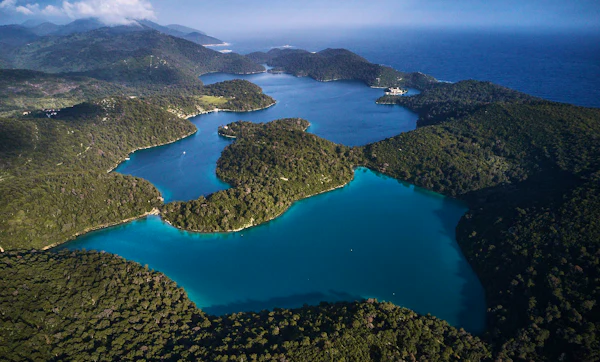
When looking out over those crystal-clear waters of the Mediterranean, it is easy to believe in water abundance. However, seawater is not drinking water, and our coastal towns and islands face serious pressure every summer.
During peak nautical season, thousands of yachts and cruise ships head to Dalmatian hotspots like Hvar, Vis, Korčula, or Dubrovnik. This massive influx creates a large spike in demand for freshwater on small islands with limited natural reservoirs.
From the Ionian islands to ports in Southern Italy, our neighbors also share this struggle. Across the entire region, over-tourism and droughts driven by climate are pushing local island water reserves to their absolute breaking point.
To meet basic daily needs, many islands must rely on desalination plants or water delivery ships. When we overconsume water, whether by taking overly long showers in marinas or continuously running hoses to wash down boats, we place enormous pressure on local ecosystems and risk seasonal shortages for resident communities.
The Economics of Water and Rising Costs
Water conservation is not only an environmental duty, but also an increasingly urgent economic issue we face. Driven by inflation, energy costs, and rising supply expenses, the cost of municipal and commercial water across Europe has climbed steadily in recent years.
However, the contrast becomes most noticeable when comparing local tap water to bottled drinking water:
- The Cost of Convenience: In popular tourist destinations along the Adriatic or the Mediterranean, a single 1.5L bottle in coastal shops often costs up to €3.00. For a crew on a week-long charter, that can easily add over €150 to the final bill just for drinking water.
- The Quality of Tap Water: In Croatia, municipal tap water is among the safest and one of the best-tasting in Europe. Paying steep prices for bottled water to drink, when water is available directly from the tap, doesn't make much sense for your budget or the planet.

The Double Threat
Relying on bottled water intensifies another critical problem: plastic pollution. Millions of single-use plastic bottles end up in landfills or adrift in the Adriatic Sea every year.
Over time, these plastics break down into dangerous microplastics that harm marine wildlife, disrupt aquatic food chains, and pollute the very waters visitors travel to enjoy. Transitioning to safe tap water combined with reusable stainless steel or glass bottles is the single most effective action a visitor or sailor can take to cut down plastic waste instantly.
Smart Water Management
Protecting freshwater resources requires simple and conscious actions that everyone can adopt:
- Switch to Reusables: Use refillable bottles onboard and fill up with local tap water before leaving the port or marina.
- Wash Vessels Responsibly: Use the bucket-and-sponge method to clean your boat instead of leaving a hose running incessantly.
- Shorten Shower Times: Keep showers short, especially when using facilities in the marina or onboard freshwater tanks.
- Report Leaks Promptly: Dripping faucets or leaking hoses waste hundreds of litres per day, so report them to marina management as soon as possible.
The global water crisis reminds us that clean freshwater is a precious luxury. By protecting its resources along the Adriatic, we support local communities, preserve our marine habitats, and save money.
Join Green Sail in protecting our waters; refill, preserve, and sail responsibly.