
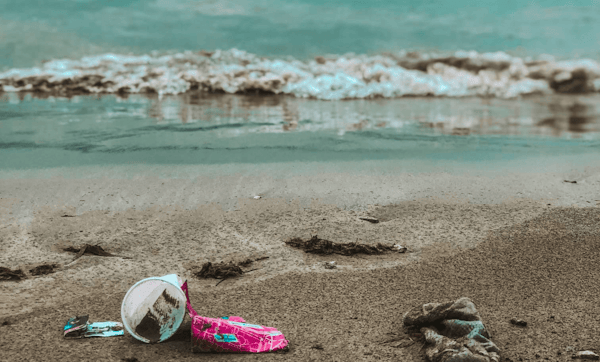
Water pollution remains one of the most important environmental challenges facing our oceans today. While the sea often appears wide, resilient, and endlessly self-cleaning, the reality beneath the surface tells a different story. Pollutants enter marine ecosystems every day, often without immediate visible consequences, and accumulate cumulatively. From wastewater and chemicals to plastics and fuel residues, these pollutants compromise water quality, damage marine habitats, and they threaten biodiversity.
What’s Polluting Our Seas
Marine pollution is caused by human activities on land, at sea, and in the air, making it one of the biggest threats to ocean health. Most pollution comes from land-based sources such as wastewater, industrial discharge, agricultural runoff, stormwater, leaking landfills, and mishandled plastic waste, which carry toxic substances, nutrients, heavy metals, and plastics into marine ecosystems.
Maritime transport, tourism, fishing, and offshore industries add oil residues, sewage, ballast water, antifouling chemicals, lost gear, dredging impacts, and accidental spills, while air pollution settles hazardous compounds far from their sources. Oceans are also affected by many invasive species, harmful algal blooms, underwater noise, artificial lighting, and thermal or radioactive contamination.
These combined pressures show that marine pollution is a global, interconnected challenge that urges action across land, sea, and air.

What We Don’t See Matters Most
Water pollution is one of the greatest environmental challenges of our time. Although we often think of beaches scattered with trash or oil slicks on the surface, the scale of pollution beneath the waves is much larger and often invisible. Scientific estimates show that more than 75 to 199 million tonnes of plastic already float in the ocean, and microplastics have infiltrated water and marine life worldwide, posing a danger to ecosystems and human health.
Even more striking, 80% of marine pollution comes from land-based sources ( rivers, agriculture, and untreated wastewater) and reaches the oceans through currents and runoff.
This “invisible” influx of pollutants compromises water quality, degrades habitats like coral reefs and seagrass beds, and threatens biodiversity.
Recent ecological observations, such as the alarming decline of dugong populations in Thailand due to habitat loss and pollution, remind us that marine ecosystems are fragile and slow to recover once they are damaged.
The complexity of water pollution - from chemicals and sewage to microplastics and underwater noise - shows that protecting our seas needs more than simple cleanup. It demands broad awareness, systematic action, and collaborative stewardship.
Below the surface, microplastics, untreated wastewater, fuel particles, and chemical residues disperse through the water column and settle into sediments. Over time, these pollutants get into the marine food chain, weakening ecosystems from within. Clear water does not necessarily mean clean water. Many pollutants cannot be seen, smelled or immediately detected.
Sensitive habitats such as seagrass meadows are particularly vulnerable. These ecosystems play an essential role in carbon storage, biodiversity, and seabed stability, yet even small changes in water quality can cause long-term damage. Once degraded, recovery can take up to decades, if it happens at all.
Because invisible pollution often goes unnoticed, it is rarely addressed until damage becomes irreversible. This is why prevention, awareness, and responsible behaviour are far more efficient than clean-up measures alone.

The Most Common Sources of Pollution in Nautical Tourism
Nautical tourism is closely related to the health of the marine environment. While its impact may seem minimal on an individual level, the growing effect of thousands of vessels operating each season is significant.
In heavily trafficked areas, studies show increased accumulation of marine litter and pollutants after peak tourist seasons. These impacts are hardly intentional; they are the result of routine practices that lack clear guidance or awareness.
This makes nautical tourism a key sector where practical changes can give immediate environmental benefits.
Nautical tourism, including sailing, brings joy to millions and supports many coastal economies. Nonetheless, like all human activities, it also impacts the environment. Research across the Mediterranean shows that marine litter rises significantly during and after the tourist season, with plastic, glass, metal, and other debris hoarding on the seafloor in heavily trafficked maritime areas.
Nautical tourism contributes to pollution through:
- Wastewater discharge - boats produce both black water (toilet waste) and grey water (from sinks and showers), which can contain harmful bacteria if not properly governed.
- Fuel, oil, and engine pollution - leaked bilge water and small spills add hydrocarbons to the water.
- Plastic and trash - from single-use items used aboard boats to waste that slips overboard.
- Noise and disturbance - vessel engines generate underwater noise that can agitate marine animals and disturb navigation and breeding.
- Emissions produced by motors - due to excess of CO2 in the atmosphere, seas and oceans absorb carbon dioxide to help regulate the climate but as a consequence PH values are being changed.
Essentially, nautical traffic can contribute to microplastic pollution, as seen across the Mediterranean, where tiny plastic particles are present in marine organisms and water samples alike.
While nautical tourism’s environmental footprint is smaller than industrial pollution, it is directly tied to the same waters people love to enjoy, which makes reducing it both necessary and achievable.

Education and the Big Picture: The Role of Green Sail
Long-term protection of the marine environment relies on education. Regulations and infrastructure alone are not enough if people do not understand why their actions matter. This is where Green Sail plays an important role. Through verification, educational materials, onboard guidance and cooperation with charter companies and marinas, Green Sail supports the nautical industry in adopting more sustainable practices.
Green Sail focuses on:
- Reducing pollution at the source
- Raising awareness among sailing crew and tourists
- Encouraging continuous improvement rather than perfection
By educating those who work and travel at sea, Green Sail helps create a chain reaction where responsible behaviour goes beyond a single voyage or season.
Protecting the marine environment starts with recognising that what we don’t see usually matters most. Through education, awareness, and collective responsibility, we can ensure cleaner seas, healthier ecosystems, and a more sustainable future for nautical tourism.
Green Sail’s approach echoes a simple truth: the sea we enjoy today is the same sea future generations will inherit. By combining education, responsible behaviour, and community engagement, we can protect our waters from the invisible threats that threaten marine life, coastal livelihoods, and the very ecosystems that make nautical tourism possible.
If you are a Yacht Charter company, learn more about how you can contribute to protecting our seas and oceans here.